Can't Get a GP Appointment? Seven Daily Habits That Help Protect Your Urinary and Digestive Health
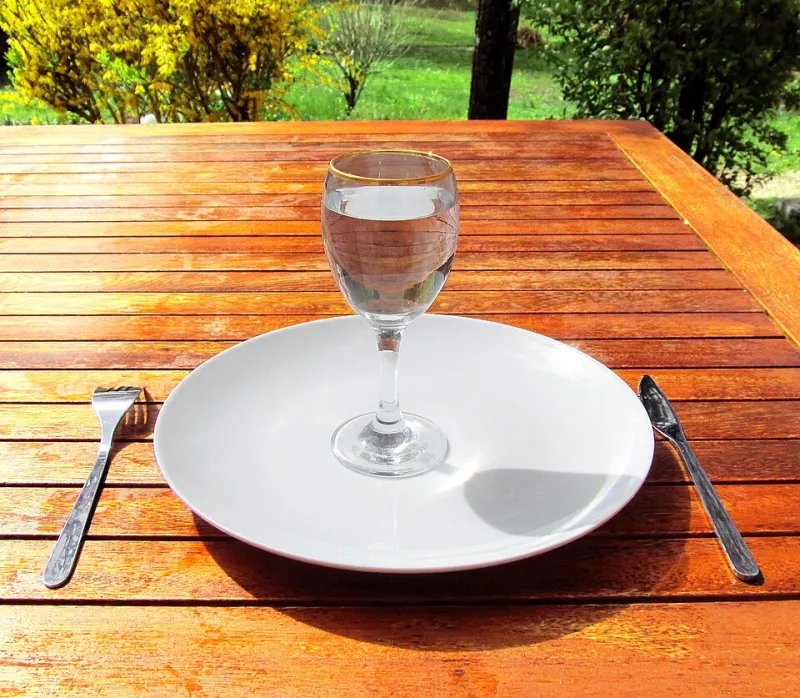
Photo: Dr Jean Fortunet, CC BY-SA 3.0, via Wikimedia Commons
Anyone who has tried to book a GP appointment recently knows the reality: 8am phone scrambles, weeks-long waits, and non-urgent urology referrals that can stretch into many months. NHS England data has repeatedly shown that a significant proportion of patients wait well beyond the 18-week referral-to-treatment standard for specialist care.
None of this diminishes the importance of the NHS — but it does change the calculus for health-conscious adults. If timely access to care is uncertain, investing in daily prevention becomes not just sensible but empowering. Here are seven habits, grounded in evidence, that support both urinary and gut health.
1. Hydrate Deliberately, Not Excessively
Aim for roughly 1.5 to 2 litres of fluid daily, adjusting for activity and weather. Consistent hydration dilutes urine and encourages regular bladder emptying, which helps clear bacteria before they can multiply. Pale straw-coloured urine is a useful benchmark; dark urine suggests you are falling behind.
2. Feed Your Gut Flora with Fibre
Most UK adults fall well short of the recommended 30g of fibre per day. Fibre-rich foods — oats, beans, berries, wholemeal bread — nourish beneficial gut bacteria. This matters for urinary health too: the gut is the primary reservoir of the E. coli strains responsible for most urinary tract infections, and a well-balanced gut microbiome may limit their overgrowth.
3. Consider Probiotic Supplementation
A daily probiotic supplement can complement a fibre-rich diet, particularly after a course of antibiotics, which disrupt gut flora indiscriminately. Strains of Lactobacillus have been studied for their potential role in supporting urinary tract health. Choose products that name their strains, state viable CFU counts, and store appropriately. Probiotics support the body's natural balance; they do not treat infections.
4. Never Ignore the Urge to Go
Modern working life makes it easy to postpone toilet trips — back-to-back meetings, long commutes, the school run. Habitually holding urine allows bacteria longer contact with the bladder wall. Make regular voiding part of your routine, and empty your bladder fully rather than rushing.
5. Practise Thoughtful Bathroom Hygiene
Simple measures remain worthwhile: wiping front to back, avoiding harsh or perfumed intimate products that can disturb natural flora, and urinating after sexual activity — a habit with reasonable evidence for reducing UTI risk in women.
6. Move Your Body, Manage Your Weight
Regular physical activity supports healthy digestion, helps prevent constipation, and reduces pressure on the pelvic floor. Excess weight is also associated with urinary incontinence and urinary frequency. You do not need an elaborate regimen: a brisk daily walk, a swim at the local leisure centre, or taking the stairs all count.
7. Moderate Sugar, Alcohol, and Caffeine
All three can irritate the bladder in sensitive individuals and may disrupt gut microbial balance. This is not about total abstinence — it is about moderation. If you notice that your morning espresso or evening wine correlates with urgency or discomfort, adjusting intake is a low-cost, low-risk experiment.
When Prevention Is Not Enough: See a Doctor
Self-care has limits, and recognising them is essential. Contact your GP — or NHS 111 — promptly if you experience:
- Pain or burning during urination, or symptoms lasting more than a few days
- Blood in your urine, even if painless
- Fever, chills, back pain, or feeling generally unwell (possible kidney infection — seek urgent care)
- Recurrent infections, defined as two or more in six months
- Any new urinary symptoms if you are pregnant, male, or over a certain age, as these warrant assessment
Keep a written record of symptoms, dates, and what helps or worsens them. If you do eventually secure an appointment, this documentation makes the consultation far more productive.
Prevention as a Partnership
The message from UroCare FloraGuard is straightforward: these seven habits are complements to medical care, never substitutes. But in an era of waiting lists and squeezed appointment slots, the daily choices you make — hydration, fibre, probiotics, movement — are the most reliable healthcare you can access. Your bladder and your gut will thank you for it.