After the Prescription Pad: An Honest Look at Life Following Repeat Antibiotic Courses
There is a conversation that happens in UK GP surgeries thousands of times a year, and it rarely gets much attention afterwards. A patient with a recurrent urinary tract infection receives another course of nitrofurantoin or trimethoprim, is advised to drink plenty of water, and leaves. The infection is treated. What is less often discussed is the collateral: the widespread disturbance of the gut and urinary microbiome that each course leaves in its wake.
We should say plainly that antibiotics remain essential, often life-saving, medicines. This is not an argument against them. It is an argument for attending to what happens afterwards — and for making that follow-up a conversation rather than an afterthought.
What Repeat Courses Actually Do
The human microbiome is a resilient ecosystem, but it is not infinitely elastic. Research published over the past decade, including work from the Dutch Maastricht cohort and UK-based microbiome studies, has shown that a single antibiotic course can reduce gut microbial diversity for weeks, with some species taking months to recover. Repeated courses — as recurrent UTI patients frequently experience — may compound this, and some changes can persist.
Why does this matter for the bladder specifically? A diverse gut microbiome appears to act as a reservoir of beneficial bacteria that also colonise the urinary tract, and some of these, notably certain Lactobacillus species, are thought to compete with uropathogens such as E. coli. Deplete the ecosystem, and the ecological defences thin.
What the Evidence Supports — and What It Doesn't
Here the honest answer is: some things, modestly; many things, not yet.
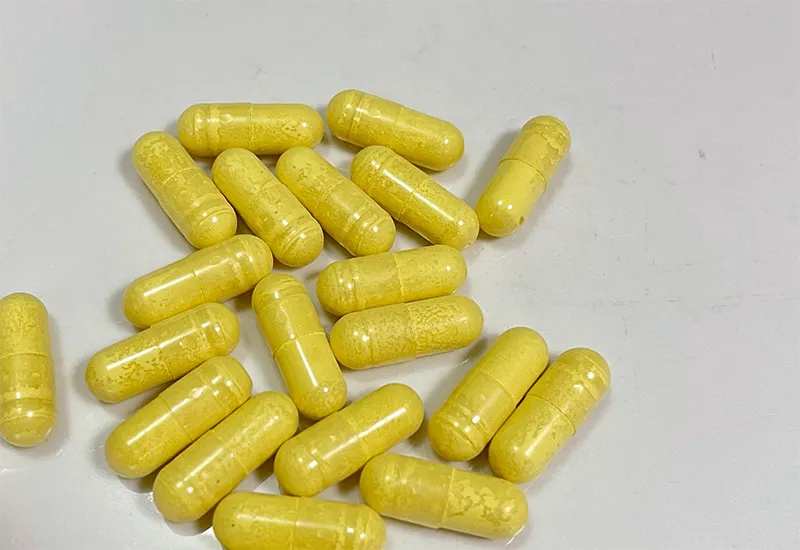
Probiotics. Several small trials have examined oral probiotics for preventing recurrent UTIs, with mixed but not discouraging results. Evidence is stronger for preventing antibiotic-associated diarrhoea, where strains such as Saccharomyces boulardii and Lactobacillus rhamnosus GG have reasonable support. A prudent reading: probiotics are low-risk and plausibly helpful, but they are a complement to medical care, not a substitute.
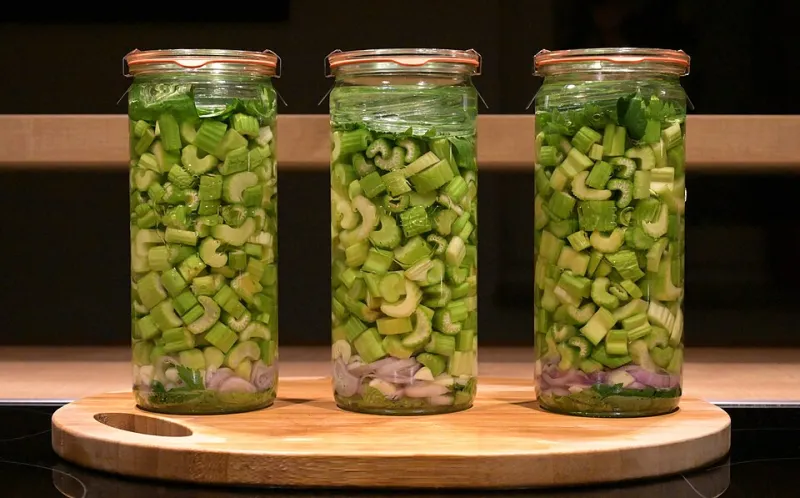
Diet. Fermented foods — live yoghurt, kefir, kimchi — are associated with greater microbial diversity in observational studies. Fibre feeds the bacteria you want to keep. None of this is a cure; all of it is reasonable.
D-mannose and cranberry. Cranberry has modest trial support for prevention; D-mannose has weaker evidence but a plausible mechanism. Discuss both with a pharmacist.
The Conversation Worth Having
If you have had three or more UTIs in a year, that itself is a clinical finding deserving investigation rather than serial prescriptions. Guidelines from NICE encourage GPs to consider underlying causes, review antibiotic strategy and discuss prevention. Ask about it. Ask whether prophylactic options, bladder-focused assessments or referral are appropriate.
Recovery after antibiotics is not a dramatic process; it is a patient, ecological one — diversity restored through food, time and, where the evidence supports it, well-chosen supplementation. UroCare FloraGuard exists to make that science legible, because reassurance should always be evidence-based.