The Evidence Audit: Separating Proven Urinary Supplements from Shelf-Fillers
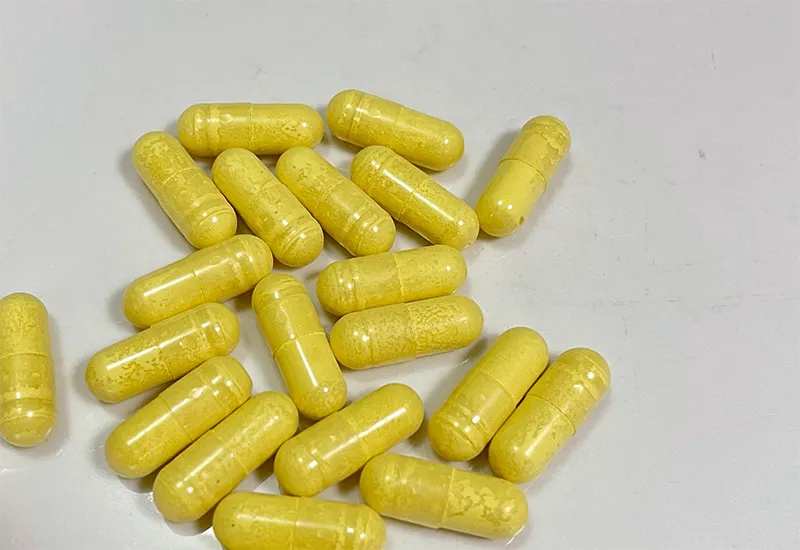
Photo: ben_hoffman2003, CC BY 2.0, via Wikimedia Commons
Walk down the supplement aisle of any British high street chemist and you will find an entire section devoted to urinary and digestive wellbeing. Cranberry capsules promise 'urinary tract support'; probiotic drinks and capsules tout billions of live bacteria; D-mannose powders sit alongside them, often with claims that sound remarkably similar to one another. For the sceptical shopper — and scepticism here is a virtue — the question is not what these products say, but what the evidence actually shows.
What the Guidelines Actually Recommend
Start with the official position. NHS guidance on recurrent urinary tract infections is measured: it acknowledges that some non-antibiotic approaches may reduce recurrence in certain groups, while cautioning that evidence quality varies considerably. Meanwhile, Public Health England's work on antimicrobial resistance has made reducing unnecessary antibiotic use a national priority — which is precisely why the supplement question matters. Anything that can genuinely, safely reduce recurrent infections has value; anything that merely claims to wastes money and, worse, may delay proper care.
Cranberry: A Downgraded Darling
Cranberry products have long been the default recommendation of well-meaning relatives. The evidence, however, is more nuanced than the marketing suggests. A major updated Cochrane review concluded that cranberry products probably reduce the risk of symptomatic, recurrent UTIs in women with recurrent infections — a meaningful shift from the 2012 review, which found the evidence unconvincing. The effect appears modest, and the benefit is specific: prevention of recurrences in susceptible women, not treatment of an active infection.
If you opt for cranberry capsules rather than juice, note the practical advantages: no added sugar, a standardised proanthocyanidin (PAC) content, and fewer calories. Quality products typically state their PAC content on the label — a sign the manufacturer is engaging with the research rather than the folklore.
D-Mannose: Promising but Under-Studied
D-mannose is a simple sugar thought to prevent certain E. coli bacteria from adhering to the bladder wall. Small studies suggest it may perform comparably to some preventive measures for recurrent UTIs, but the trial base is thin: few participants, limited replication, and little long-term safety data. The NHS has noted its growing popularity but stops short of a firm endorsement. Treat it as a reasonable, low-risk option worth discussing with a pharmacist or GP — not a settled science.
Probiotics and the Flora Question
The logic behind probiotic support is compelling: the urogenital tract has its own microbiome, and lactobacilli — particularly Lactobacillus rhamnosus and L. reuteri — may help maintain an environment less hospitable to pathogens. Some trials of intravaginal and oral lactobacilli show reductions in recurrent UTIs, particularly when used after antibiotic courses, which can disrupt beneficial flora. But strain matters enormously. A capsule listing 'probiotic blend' without specifying strains and colony-forming units (CFUs) tells you nothing useful. Look for named strains, a CFU count guaranteed to the end of shelf life, and storage instructions that are actually followed.
A Shopper's Checklist
Before you part with your money, run any product through these five filters:
- Specificity — Does it name exact strains, extract standardisation, or PAC content? Vague blends are a red flag.
- Plausible claims — Words like 'prevents', 'cures' or 'detoxes' exceed what any supplement licence permits. Reputable brands use cautious language.
- Dosage transparency — The dose in the trial is the dose that matters. A token amount of an ingredient does not earn its place on the label.
- Third-party credentials — Look for GMP manufacturing and, where relevant, independent testing.
- Realistic framing — Supplements support prevention; they do not treat an established infection.
The Bottom Line
The honest summary is this: cranberry capsules have the strongest evidence base for preventing recurrent UTIs in women; D-mannose is promising but under-researched; and well-formulated probiotics may offer supportive benefit, particularly for those whose flora has been disrupted by repeated antibiotics. None of these products replaces medical care. If you have fever, blood in your urine, back pain, or symptoms that persist, seek advice from NHS 111 or your GP promptly.
A sceptic's approach is not a refusal to buy — it is a refusal to buy without reading. The UK supplement aisle contains some genuinely useful tools. The evidence audit simply determines which ones they are.