The Festive Season Effect: Why Bladder and Gut Complaints Spike Between November and January

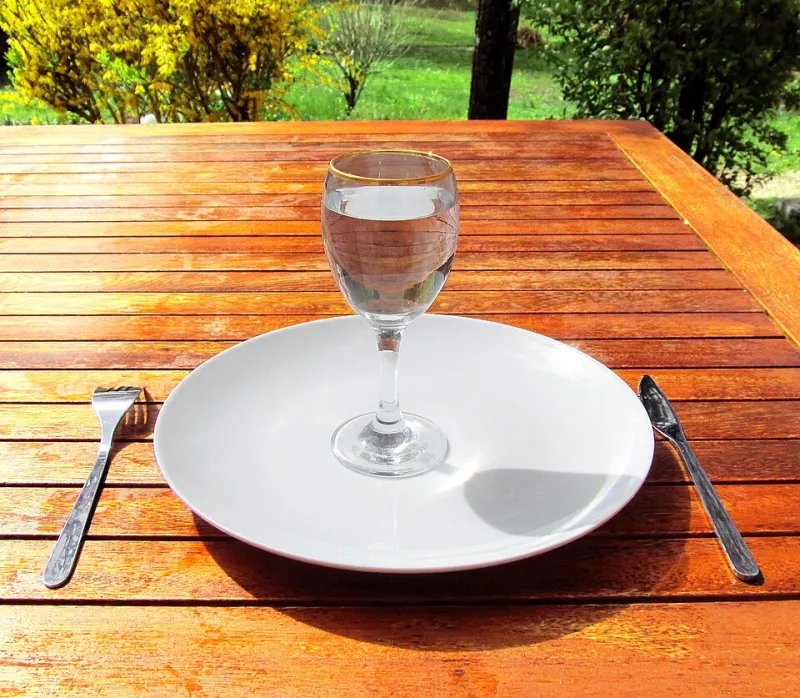
Photo: NOAA, Public domain, via Wikimedia Commons
Every December, pharmacies and out-of-hours services see a familiar pattern: more urinary tract infections, more bloating, more constipation, more general digestive misery. It is tempting to blame the cold alone, but the reality is more layered. The stretch from late November to early January concentrates a cluster of lifestyle shifts that, together, create near-ideal conditions for bladder and gut complaints.
The Quiet Dehydration Problem
In summer, thirst reminds us to drink. In winter, it does not — and central heating quietly dehydrates us anyway. Many people swap water for tea, coffee and, over the festive period, alcohol, all of which can irritate the bladder or worsen dehydration. Concentrated urine allows bacteria more opportunity to adhere to the bladder wall, and it irritates an already-sensitive tract. If your urine is dark yellow rather than pale straw, that is your cue.
Movement, Meals and the Microbiome
Reduced daylight shrinks our activity levels; a walk to the bus stop is often all some of us manage. Slower movement means slower gut transit, and combined with a diet heavy in pastry, cheese boards and late dinners, constipation and bloating become almost seasonal fixtures. There is a knock-on effect for urinary health too: a full, sluggish bowel can press on the bladder and hinder complete emptying, a recognised contributor to recurrent UTIs.
Festive eating also reshapes the gut microbiome. A fortnight of low-fibre, high-sugar indulgence reduces the diversity of beneficial bacteria — the very flora that supports both digestion and, increasingly, research suggests, urinary and immune health.
The Access Gap
Timing compounds the problem. GP surgeries close for several days over Christmas and New Year, and many people delay seeking help to 'not be a bother' during the holidays. An untreated UTI can progress from uncomfortable to serious — particularly in older adults, where confusion may be the only early sign.
A Practical Winter Defence
- Keep a water bottle visible. Aim for six to eight glasses daily, and moderate alcohol — alternate festive drinks with water.
- Do not delay urination. 'Holding on' during long shopping trips or car journeys encourages bacterial growth.
- Weave fibre back in. Porridge with berries, roasted winter vegetables and legumes keep the gut moving without feeling like a diet.
- Keep moving. A brisk twenty-minute walk after a heavy meal aids digestion and circulation alike.
- Dress warmly, especially below. While cold does not cause infection, chilling may worsen symptoms for those prone to them.
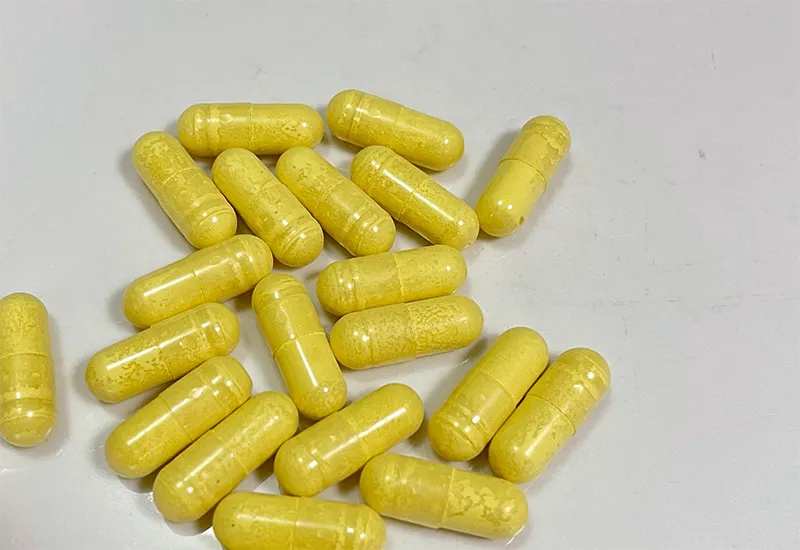
- Consider probiotic support. A well-formulated probiotic taken through the indulgence-heavy weeks may help maintain bacterial diversity when diet is working against you.
When to Seek Help
Pharmacists are an excellent first port of call and can advise on urinary symptoms and suggest next steps. For urgent advice when your GP is closed, contact NHS 111 — online or by phone. Seek urgent care if you experience fever, shivering, back or flank pain, blood in the urine, or vomiting, as these may indicate a kidney infection.
A Calmer January
The festive season need not end with a course of antibiotics and a sluggish fortnight. Most of the seasonal risk comes from small, cumulative habits — a glass more water here, a short walk there, a fibre-rich breakfast that protects your internal flora. Look after the gut and the bladder together, and you give your body a far better chance of arriving at January feeling genuinely well.